
Why Social Skills Matter More Than People Think | PEERS and Friendship Development
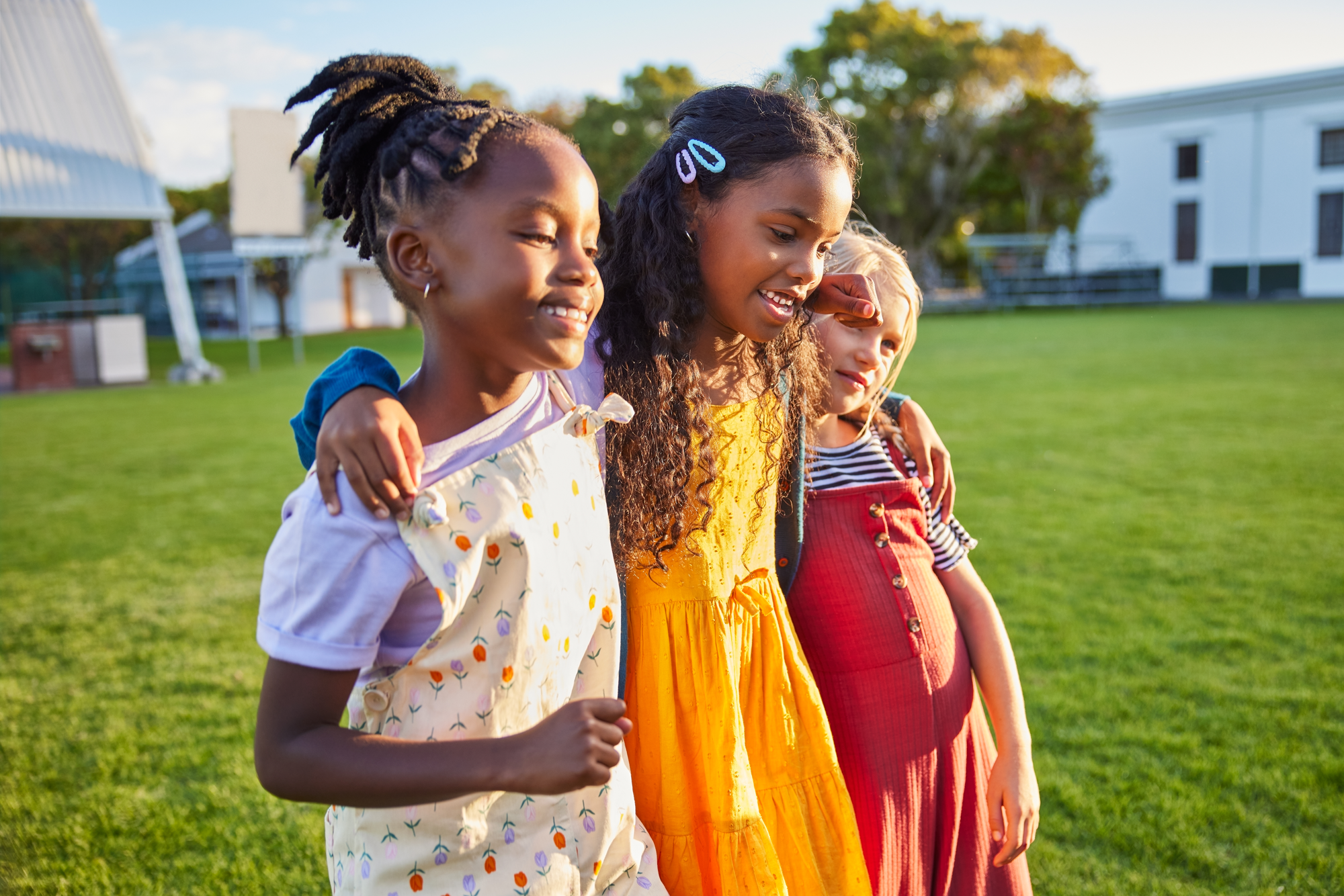
Friendship is not something most people are directly taught. Yet social connection plays a critical role in emotional well-being, mental health, confidence, and quality of life.
In this episode of Acorns to Oaks, Kristine and Sarah explore the importance of social skills for autistic children, teens, and adults through the lens of the UCLA PEERS® program developed by Dr. Elizabeth Laugeson and Dr. Fred Frankel.
The conversation covers:
The science of making friends
Why common interests matter
Socially rejected vs socially neglected profiles
Bullying and cyberbullying
How social isolation impacts families
Understanding meaningful friendships
How parents can support healthy peer relationships
Why friendship is a choice
The role of direct social skills instruction
Kristine and Sarah also discuss how many traditional approaches to social interaction unintentionally teach the wrong skills, and why nuanced, evidence-based approaches can make such a powerful difference for autistic individuals and their families.
This episode is especially valuable for parents navigating social challenges, school relationships, bullying concerns, or helping their child build meaningful friendships over time.


Many people assume social skills are something children naturally “pick up,” but research and clinical experience show that social interaction is often a teachable skill set.
This episode discusses the UCLA PEERS® program, which approaches friendship scientifically through direct instruction, rehearsal, modeling, and real-world practice.
The conversation also challenges some traditional advice often given to children, such as:
forcing introductions
“just go tell a teacher”
assuming shared diagnoses automatically create friendships
believing social success should happen naturally
Kristine and Sarah discuss how meaningful friendship is built through common interests, psychological safety, shared experiences, and gradual connection over time.