
Neurodiversity-Affirming Care: Why ABA Needed This Conversation
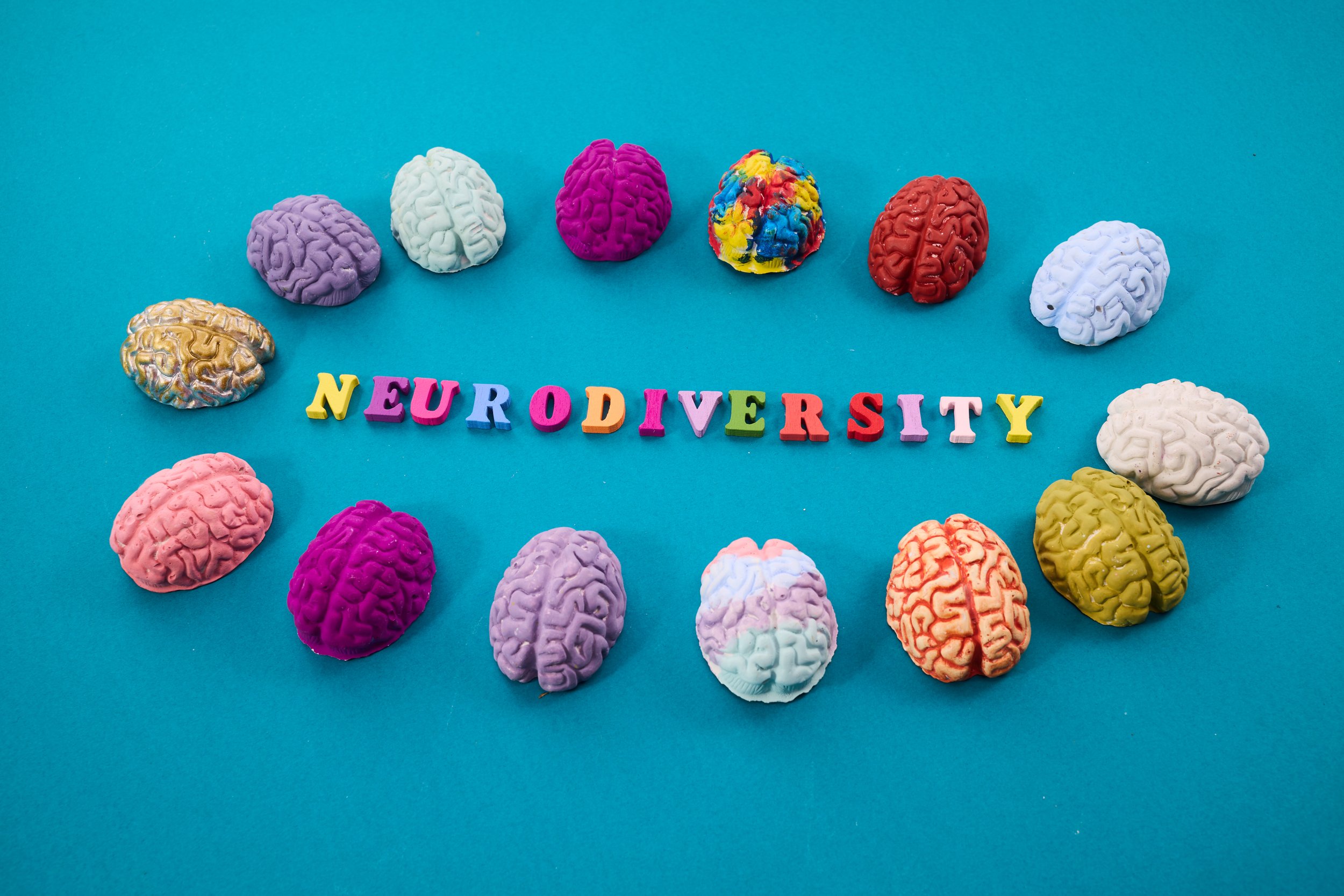
The neurodiversity affirming movement has challenged the field of ABA and Kristine and Sarah believe that challenge has made the science better.
In Episode 22 of Acorns to Oaks, they explore what behavior analysts can learn from the people who have actually received ABA services, why client feedback deserves to be taken seriously, and how neurodiversity affirming principles can strengthen individualized, respectful care.
The conversation examines the idea of differences versus disorders, including an important distinction between the practice of ABA and the diagnostic systems used to determine medical necessity and access to services. Sarah and Christine also discuss the tension created when families must describe deficits in order to obtain insurance funded care.
They then look at what individualized treatment actually means in practice. When is a behavior simply a harmless difference? When does it become a safety, learning, social, or quality of life concern? From stimming and eye contact to joint attention and social goals, the answer continually comes back to the individual.
Rather than treating neurodiversity affirming care and ABA as opposing philosophies, Sarah and Christine ask what can happen when practitioners listen, learn, and allow feedback to improve the field.


In this episode:
Why the neurodiversity affirming movement has influenced ABA for the better
Listening to feedback from people who have received ABA services
“Differences” versus “disorders”
The role of diagnosis and insurance in accessing services
Why treatment goals should be individualized
Harmless differences versus behaviors that create safety concerns
Stimming, eye contact, and joint attention
Letting the priorities of the individual guide care
The central question: Instead of asking whether a behavior looks different, should we be asking whether changing it actually matters to the person?
Acorns to Oaks is presented by Nurture & Nature ABA and explores autism, ABA, advocacy, family support, and the real world questions surrounding behavioral healthcare.